Tributary Real Estate & Community Guide
A family-first look at Tributary — commute reality from Nassau County, HOA and CDD basics, school zones, and active MLS listings in Yulee, FL (32097).
1. Would Tributary Fit Your Family?
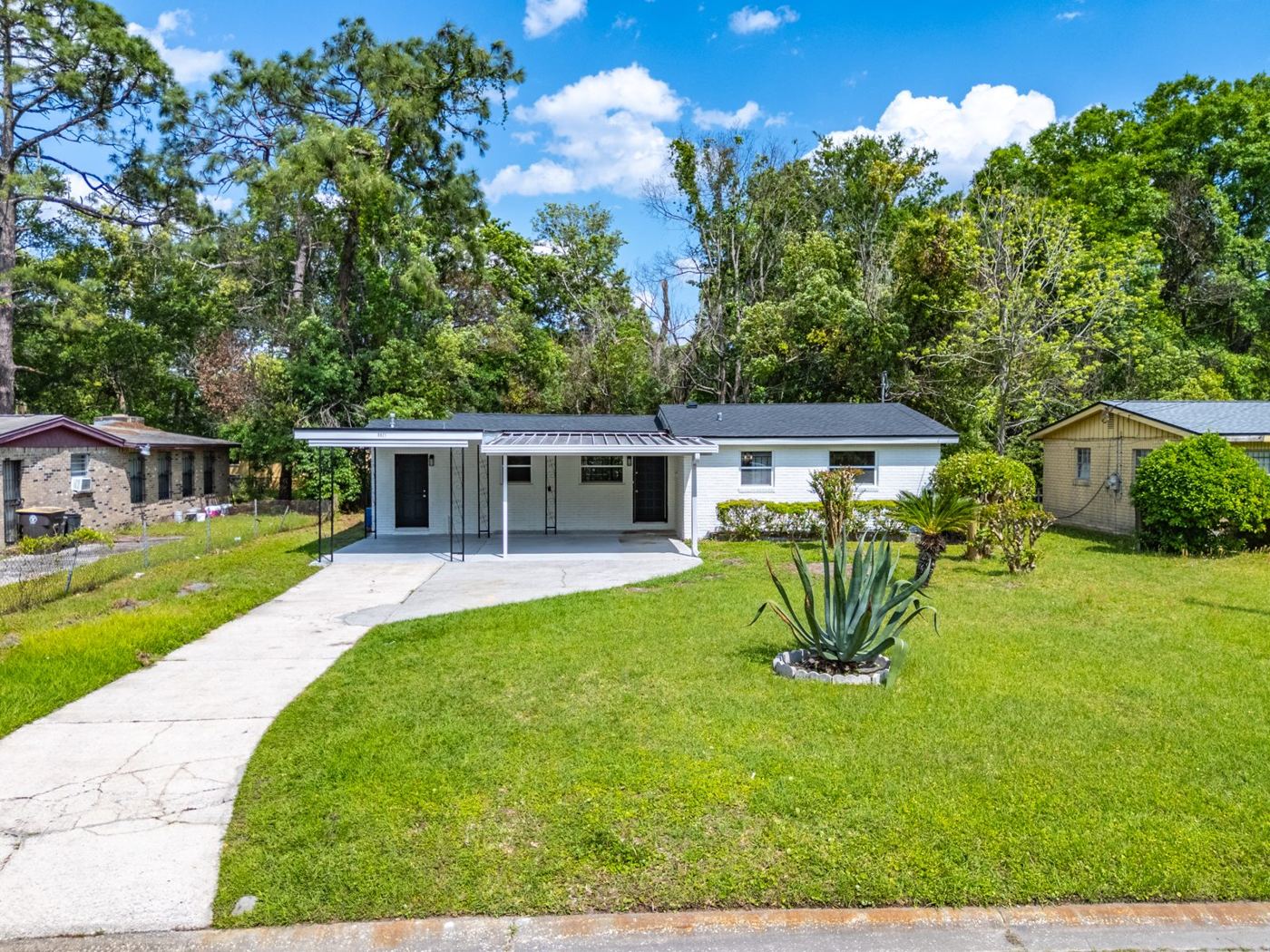
Tributary sits in Nassau County, not far from the kind of small-town pace I grew up with in Baker County — new construction with trails and a family-first layout, but still close enough to Jacksonville for a reasonable commute. Families call me here because they want the newer floor plans and lower-maintenance yards without giving up room to actually live. Before I show you a listing, I want to know what your mornings look like: who's driving whom to school, whether you need a home office, and how much yard actually gets used.
If you're weighing Tributary against something closer into Duval, the honest trade is a longer drive for more house and a quieter street. I'll walk you through that math with your specific commute and schedule, not a generic answer.
2. HOA Dues, CDD Assessments, and What They Mean for Your Payment
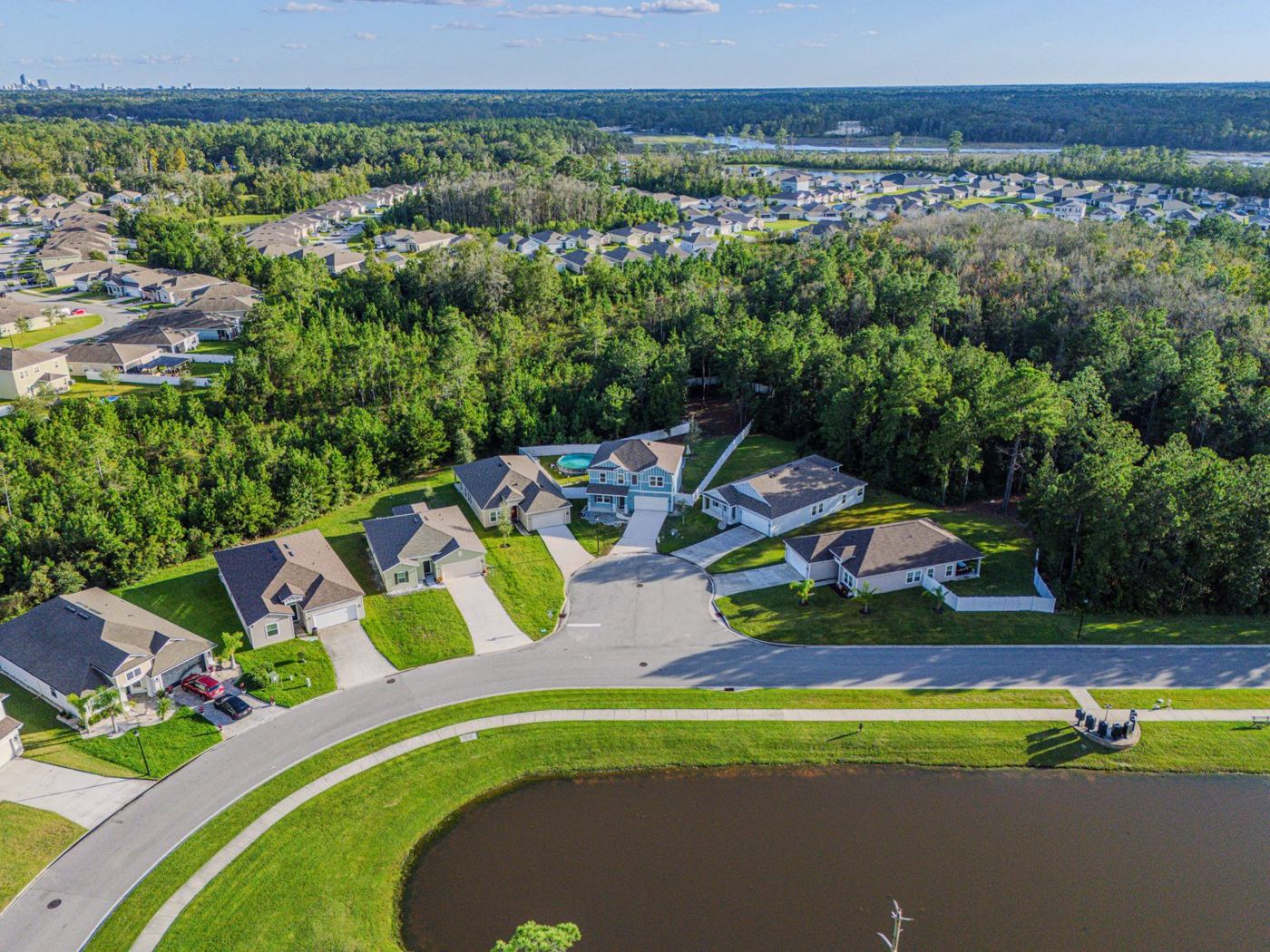
Tributary is a newer master-planned community, and like most in Nassau County, it carries a Community Development District (CDD) assessment on top of the mortgage and any HOA dues. That CDD assessment repays the bonds that financed the roads, utilities, and amenities, usually over a couple of decades, and it appears as its own line on the tax bill — not inside the loan. The amount is specific to the phase and lot, so I pull the real number for any home you're serious about before you commit to it.
HOA dues typically cover common-area upkeep and shared amenities. Zoned public schools matter here too — I'll walk you through the specific feeder pattern for any address, since it can shift between phases in a growing community like this one. I confirm the current zoned school directly with Nassau County Schools (nassau.k12.fl.us) and verify current property taxes and the recorded CDD/HOA assessment with the Nassau County Property Appraiser (nassauflpa.com) for the specific address, since these figures change and shouldn't be assumed from the community generally. Flood zone status is also worth checking directly on FEMA's flood map service (msc.fema.gov/portal/home).
4. Who Tributary Actually Fits
Tributary fits buyers who want new construction, trails, and low-maintenance yards, and who are willing to trade a longer drive into Jacksonville for a quieter street and more house for the money. It's a good match if you're comfortable with an HOA and a CDD assessment funding the shared amenities you're touring today. If a shorter commute matters more to you than yard size or amenities, or you'd rather skip the CDD line item entirely, a resale closer into Duval County may be the better fit.
3. How I Walk Buyers and Sellers Through Tributary
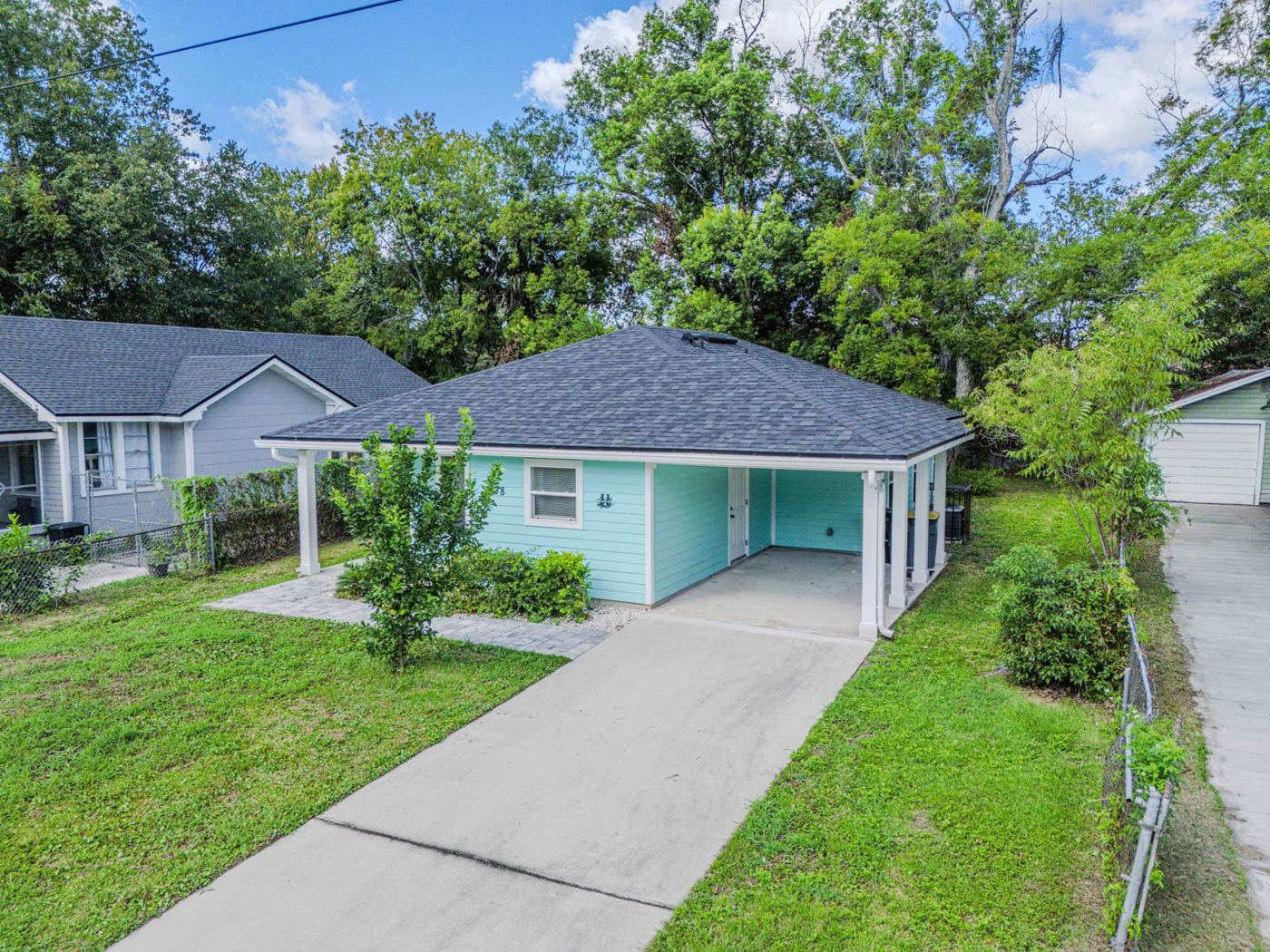
Most homes here are new construction, which means the builder's contract and incentives deserve as much attention as the finish selections. I go through the builder's current offer with you line by line, compare it against the total price, and make sure your right to an independent inspection is protected before you sign anything.
If you're reselling in Tributary, we'll talk honestly about your options — a cash offer for speed, or the open market for a shot at a stronger net number — based on your home's condition and your timeline. Call or text me at 904-650-5297 and I'll treat it like my own family's move.
Thinking About Buying or Selling in Tributary?
Call or text Amanda Kinard at 904-650-5297 for an honest walk-through of what a home in Tributary actually costs to own — mortgage, HOA, and CDD included.
Q: What builder incentives are typically available in Tributary?
A: It varies month to month and phase to phase — sometimes a rate buydown, sometimes a closing-cost credit through a preferred lender. I always get the current offer in writing and weigh it against the full price, and I protect your right to an independent inspection.
Q: Do zoned schools change between phases in Tributary?
A: They can, especially in a growing community. I'll confirm the exact feeder pattern for any specific address before you make an offer.
Q: Should I take a cash offer or list my home on the MLS?
A: It depends on your home's condition, your timeline, and how much certainty you need. A cash sale closes fast with no showings. The open market usually takes longer but can net more once marketing and negotiation are factored in. We'll go over your real numbers together.