Eagle Harbor: The Honest Version, Before You Fall for the Clubhouse
Eagle Harbor is in The Crossings at Fleming Island Community Development District (thecrossingsatflemingislandcdd.com). Confirm the line on the Clay County tax bill for the address — I’ll pick up the phone and check it with you.
I don't call Fleming Island home — my roots run north to Baker County — but I've walked enough families through Clay County neighborhoods to give it to you straight: what the CDD and HOA cost together, what the zoned schools actually are for your address, and whether the lot has room for the kids and the dog. Here's the version I'd give a friend, not a sales page.
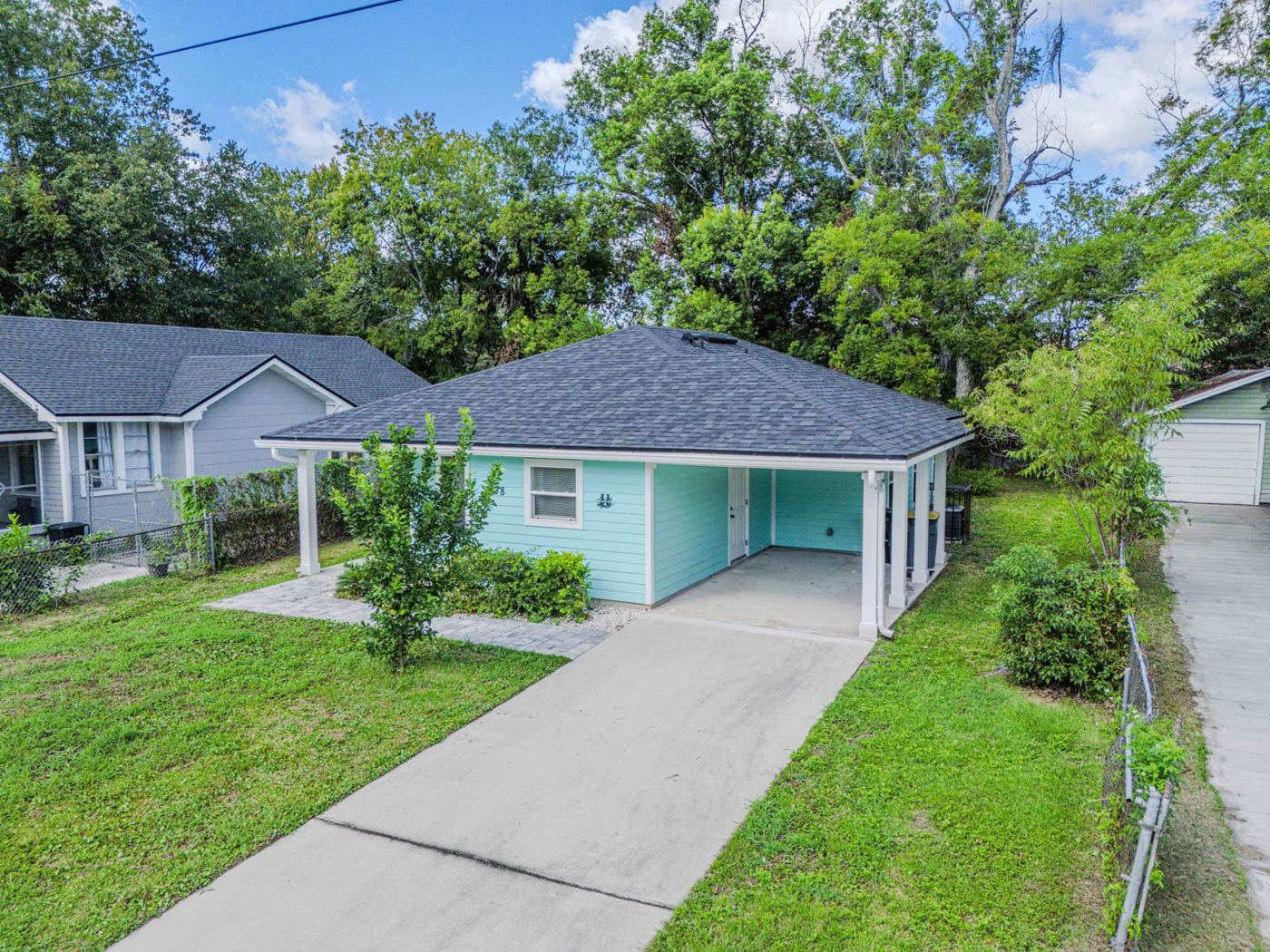
What Homes Are Selling For
Ask For Current Comps
Eagle Harbor spans a wide range of home sizes — I'll pull comps for the phase you're looking at
CDD + HOA Together
Ask For The Breakdown
Both hit your bill — get them itemized before you offer
Pace of the Market
Ask What's Current
It moves differently by season — I'll check today's pace for you
School Zone Fit
Confirm Your Address
Zones can differ house to house — verify before you tour
1. The Costs Nobody Points Out on the Tour
Eagle Harbor, like most master-planned communities in Clay County, carries a Community Development District (CDD) assessment on top of the HOA dues, and a lot of buyers only find that out after they've fallen for the amenities. The CDD repays the bonds that financed the roads, utilities, and community facilities when Eagle Harbor was built, and it shows up as its own line on the property tax bill — separate from your mortgage, separate from your HOA. Ask for the actual current assessment on the specific address you're considering, not a neighborhood average, because it differs by phase and can step down or pay off at different points.
Get the HOA's current budget and reserve study too, if the association will share it — the monthly figure alone doesn't tell you whether an assessment is coming. And whatever the home looks like on the tour, plan for a full inspection before you write an offer. I've watched buyers skip it because a house "showed" beautifully, and I've seen what that skipped step ends up costing. A second, honest set of eyes is cheap insurance.
Confirm current property taxes with the county property appraiser for the specific address rather than a neighborhood estimate, and verify the flood zone through FEMA flood maps before you rely on either figure — both are parcel-specific and change over time.
2. What Family Life Looks Like in Eagle Harbor
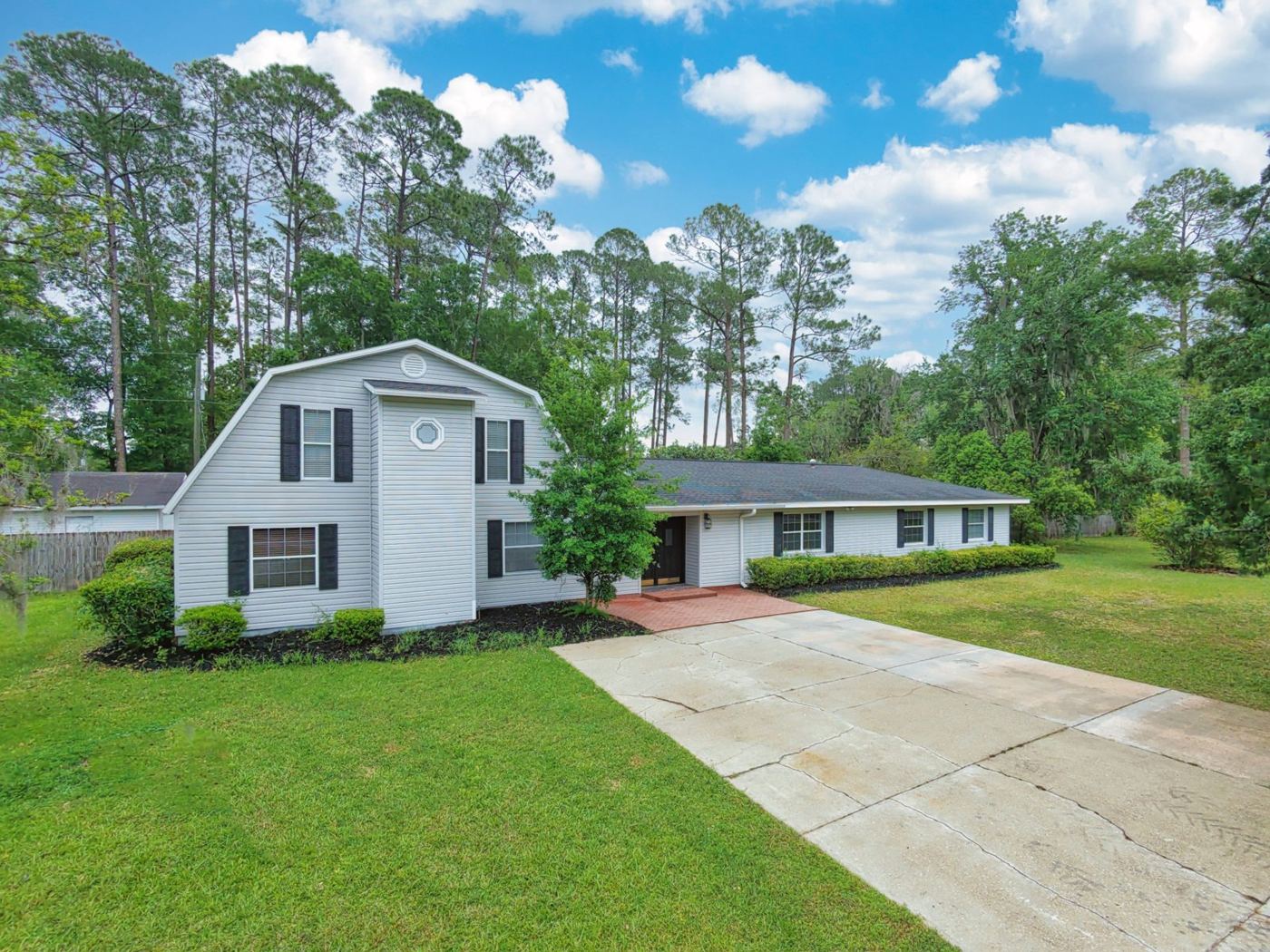
Once the cost conversation is out of the way, the real question is whether daily life here fits your family. Ask what elementary, middle, and high schools your specific address feeds into before you get attached to a floor plan — zones shift, and a home a few streets over can zone differently than the one next to it. If you've got young kids, ask about bus stops and walk routes. If you'll be commuting toward Jacksonville or Orange Park, drive it yourself at the time you'd actually be leaving; that tells you far more than a listing description.
Yard size and layout matter more once you've actually lived in a place. A smaller, low-maintenance lot might suit a couple who travels; a bigger fenced yard matters more with kids, a dog, or a trampoline in the plans. Walk the lot lines in person and don't assume the fencing matches the plat — I bring this up with almost every family who tours in Fleming Island.
3. Who Eagle Harbor Fits
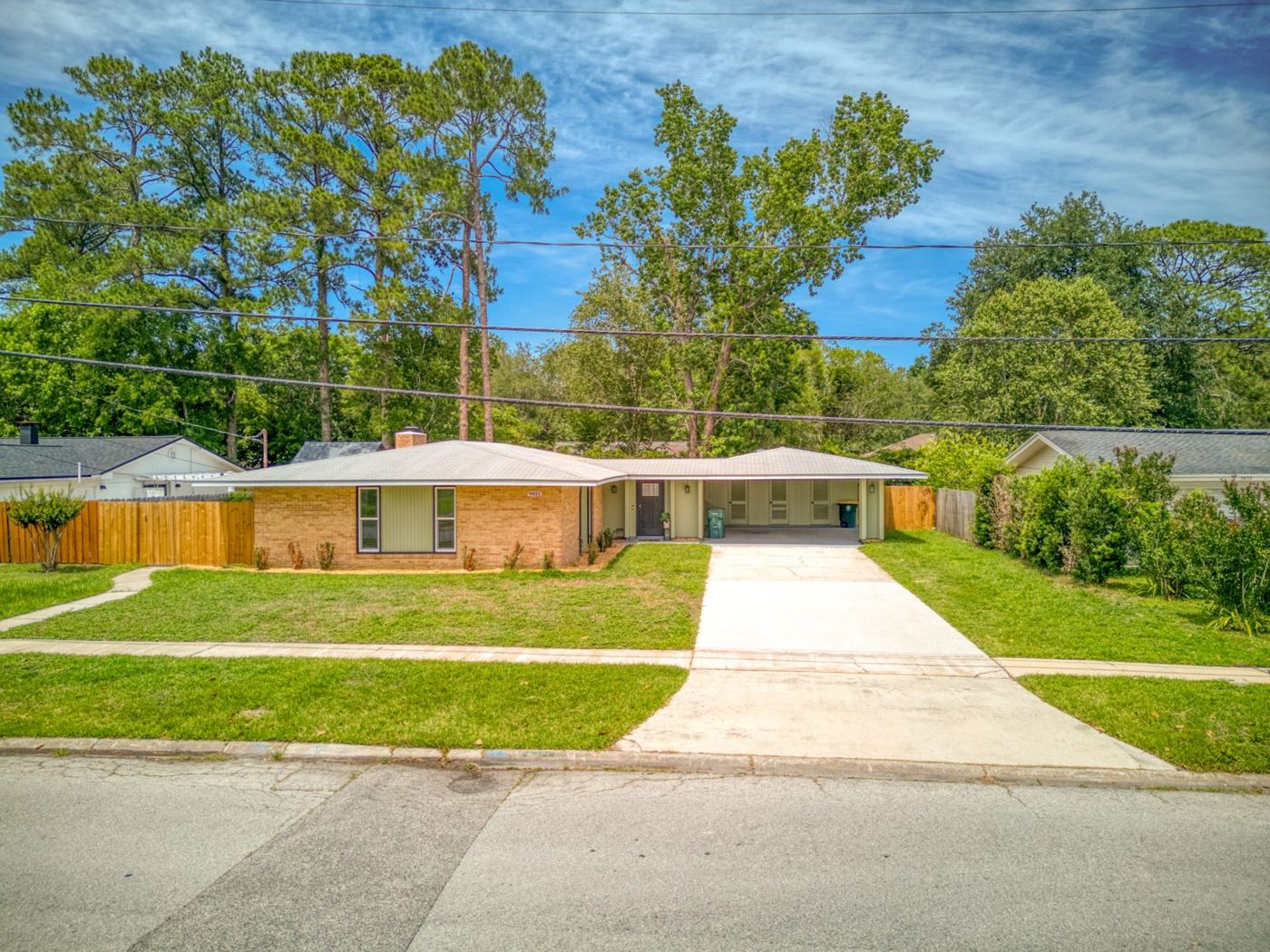
Eagle Harbor fits buyers who want established landscaping, mature trees and amenity-heavy living — pools, tennis courts, a golf course — over a newer-construction blank slate. It suits someone who's fine paying a CDD and HOA together in exchange for maintained common areas and a clubhouse, and who'd rather walk to amenities than manage a larger private lot alone. It's less of a match if you'd rather skip HOA rules entirely or want acreage without an association attached — a rural Clay or Baker County property fits that trade-off better.
4. How I'd Walk You Through This Neighborhood
I won't tell you I have deep roots in Fleming Island, because I don't — my home base is Baker County, out toward Macclenny and Glen St. Mary. What I do bring to Eagle Harbor is the same standard everywhere I work: pull the real CDD and HOA numbers instead of relying on a sales sheet, confirm the zoned schools for your exact address, and treat your inspection results like they're for my own family, not just a formality to get past.
Selling in Eagle Harbor works the same way. A well-priced, well-prepared listing usually nets a family more than a rushed cash offer, but I'll walk you through both honestly and let you choose based on your timeline, not mine. Call or text — no pressure.
Considering Eagle Harbor for Your Family?
Call or text me and I'll walk you through the real CDD and HOA numbers for the address you're eyeing, the zoned schools, and what to check on your walkthrough. No pressure, no sales pitch — just a straight answer from someone who treats every transaction like it's her own.
Q: What's the first thing I should ask about in Eagle Harbor?
A: The CDD assessment and HOA dues for the specific address, not a neighborhood average — then the zoned schools. Ask before you tour, not after you've already pictured your furniture in the living room.
Q: Do the zoned schools really matter for resale?
A: Families consistently prioritize school zones when they buy, and that demand tends to support resale value over time. I won't hand you a made-up number — nobody honestly can — but it's a real factor worth weighing alongside the house.
Q: Should I take a cash offer or list on the open market?
A: It comes down to your timeline and how much hassle you want to trade for speed. A cash offer closes fast with no showings; a traditional listing usually takes longer but often nets more once you factor in prep and marketing. I'll lay out both honestly so you can decide.