Amelia Island Plantation: A Guide for Families Considering the Move
Amelia Island Plantation is a gated, amenity-rich community on the south end of Amelia Island, built around golf, tennis, and beach access. I'm based in Baker County, not on the island, so I won't pretend I've lived here for years — but here's how I'd walk your family through it: schools, HOA and CDD paperwork, and what to ask before you fall for a view.
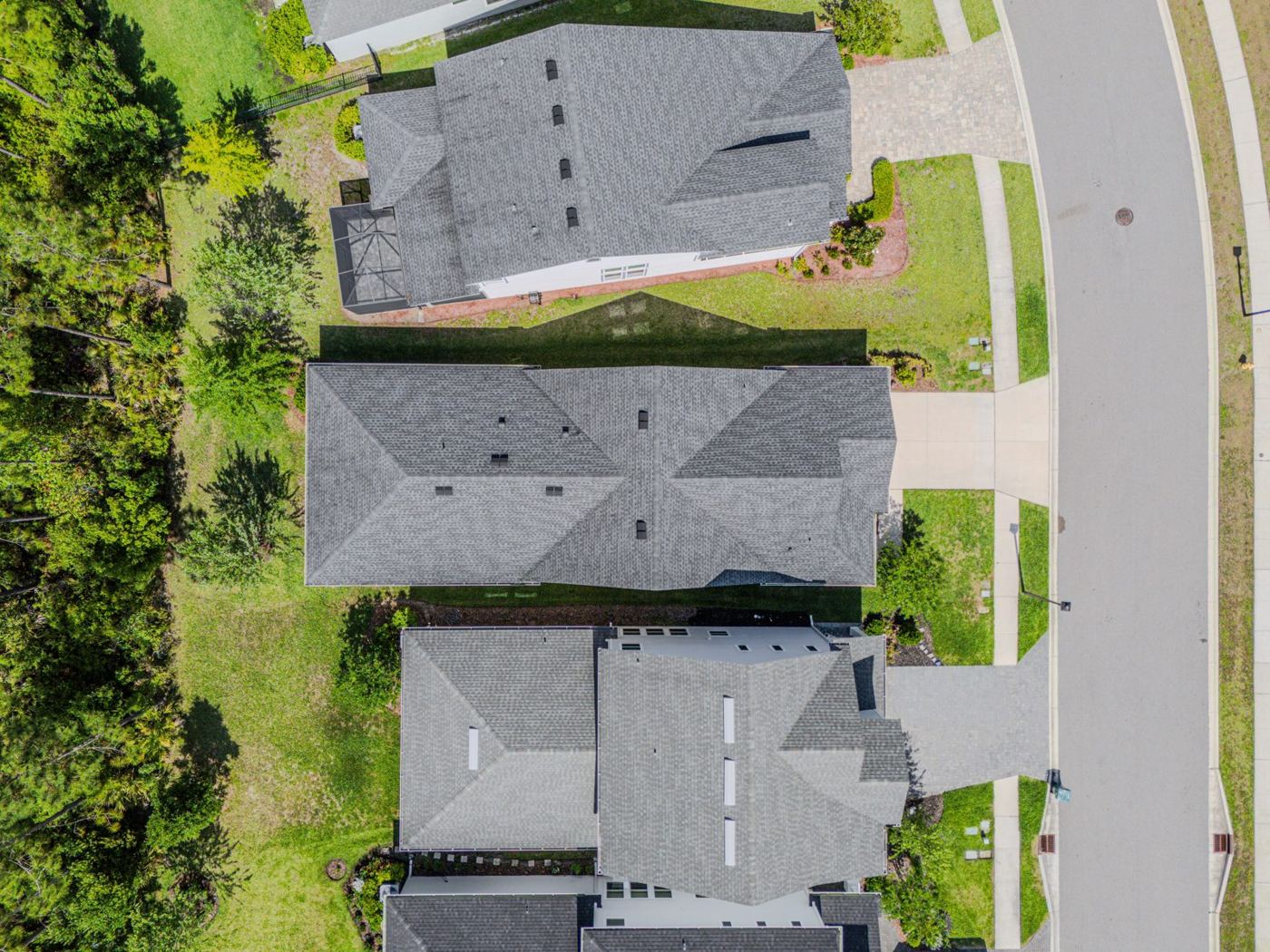
Price Range
Wide — Ask For Comps
Lot, view, and phase move price more than square footage does
Price Per Sq Ft
Varies By Phase
Compare homes within the same phase
Days on Market
Ask For Current Data
Shifts with season and price point
HOA + CDD
Read The Docs First
Every phase is different — get the actual assessment
1. What a Family Actually Notices First
When a family calls me about Amelia Island Plantation, the first questions are rarely about golf. They want to know which elementary and middle school their specific street feeds into, how long the drive is if one parent works back toward Jacksonville or Yulee, and whether the layout gives growing kids room to spread out — a bonus room, a fenced yard, a garage that can hold bikes and gear. I walk every family through those questions before we ever talk price, because price only matters once you know a house actually fits how you live.
I also tell families the honest version of what a gated community buys you. Gates and amenities are wonderful, but they come with rules — architectural review, rental restrictions in some phases, pet policies — and those rules are worth reading before you write an offer, not after.
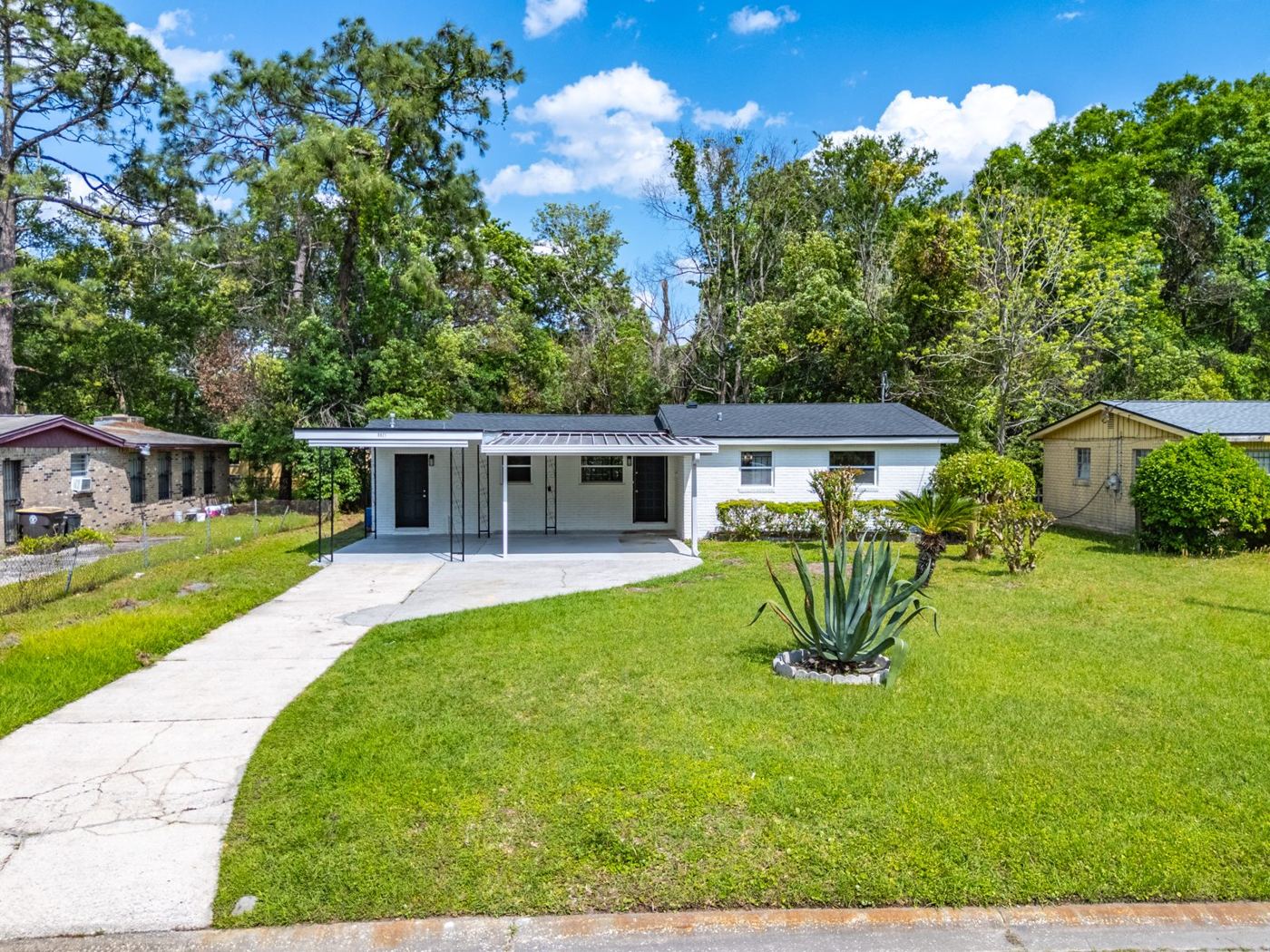
2. HOA Dues, CDD Assessments & the Questions I Ask For You
Amelia Island Plantation includes Community Development District assessments in several phases — bonds that financed roads, utilities, and amenities when the community was built, repaid over time and billed alongside your property tax. The amount is specific to the phase and sometimes the individual lot, so I pull the actual assessment paperwork for any home we look at seriously, rather than relying on what a listing sheet estimates. HOA dues are separate and cover common-area landscaping, security, and amenity upkeep. I'd rather you know both numbers before you're emotionally attached to a house than after.
Zoned schools matter to almost every family I work with, whether they're moving from out of state or relocating within Northeast Florida. I confirm the exact zoned schools for a specific address — not just the neighborhood in general — because zoning lines can split a community in ways that surprise people.
Because school zones, CDD/HOA amounts, and flood zone designations can all change and are specific to the exact lot, verify current zoned schools with the Nassau County School District, current tax and assessment figures with the Nassau County Property Appraiser, and current flood zone status through FEMA's flood map service for the specific address before you make an offer.
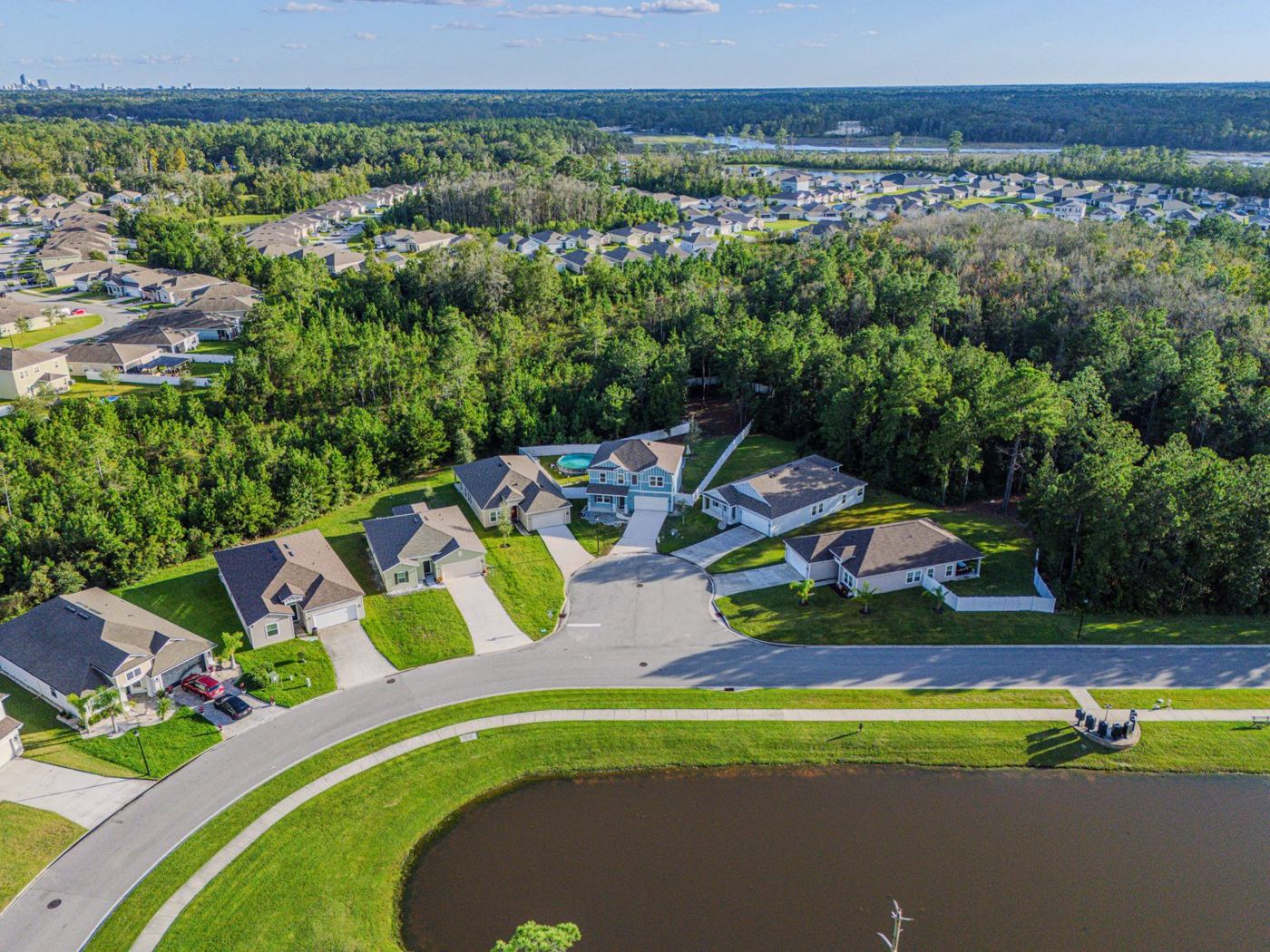
3. How I Work With Buyers and Sellers Here
I'm not going to pretend I have decades of hyperlocal history on Amelia Island the way I do in Macclenny and Glen St. Mary. What I bring instead is the same approach everywhere I work: independent buyer representation, honest inspection conversations, and no pressure to move faster than you're ready for. If we tour a home together and the inspection turns up real problems, I'll tell you plainly — that's what I'd want if it were my own family buying.
If you're selling in Amelia Island Plantation, I'll walk you through your options the same way — a full market listing versus a quicker cash offer — so you can weigh speed against net proceeds with real information, not a sales pitch.
4. Who Amelia Island Plantation Actually Fits
This community fits buyers who want golf, tennis, and beach access built into daily life and are fine trading some flexibility for it — gate rules, architectural review, and possible rental restrictions come with the amenities. It's a good match if you'd rather pay a CDD assessment and HOA dues for maintained common areas and amenity upkeep than handle that yourself, and if a longer drive back toward Jacksonville or Yulee is an acceptable trade for the setting. If you want zero HOA rules, a shorter commute, or a lower fixed monthly cost over amenities and gated access, look elsewhere on the island or mainland — this specific stretch is built around a different set of priorities.
Thinking About Amelia Island Plantation for Your Family?
Call or text me directly and I'll walk you through the schools, the HOA and CDD paperwork, and what a home in this community actually costs to own — no pressure, just straight answers.
Q: Do you live on Amelia Island?
A: No — I'm based in Baker County and serve the wider First Coast, including Nassau County. For Amelia Island Plantation, I do the same homework I do everywhere: pull the real HOA and CDD documents, confirm zoned schools for the specific address, and bring in specialists when a question needs someone who works this stretch of coastline every day.
Q: How do CDD assessments affect what I pay?
A: CDD assessments repay the bonds that built a community's infrastructure — roads, utilities, sometimes amenities — usually over a couple of decades, and they show up on your tax bill in addition to any HOA dues. The amount depends on the phase and sometimes the specific lot, so I always get the actual assessment pulled rather than guessing from a listing sheet.
Q: Should I get a full home inspection even in a newer, amenity-rich community?
A: Yes. Amenity-rich communities and newer construction still have real inspection findings — grading, drainage, and workmanship issues show up regardless of a neighborhood's reputation. I encourage every buyer to get a full inspection and read it carefully before closing.